
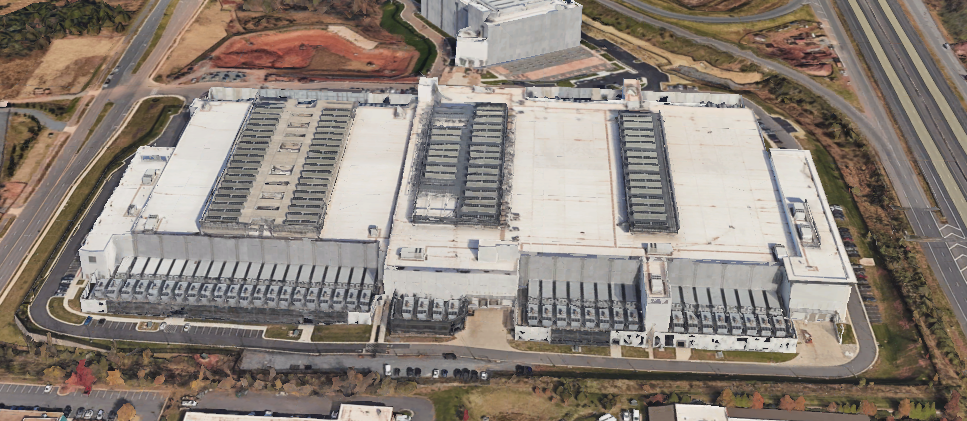
The Issue
West Virginia is actively pursuing large-scale data center development. These projects bring potential economic growth—but they also come with significant tax incentives and policy tradeoffs that deserve public scrutiny.
What’s Happening
- In 2025, West Virginia passed HB 2014, creating a special framework for “high-impact data centers.”
- It centralizes approval authority at the state level
- It sets unique rules for how local tax revenue is distributed
- Additional proposals have gone further:
- SB 583 (2025) proposed broad sales tax exemptions, property tax advantages, and B&O tax relief
- HB 4013 (2026) proposed tax credits that could significantly reduce—or potentially eliminate—state tax liability for some data centers
- Lobbying activity is active
- Meetings with state leadership and energy stakeholders have focused on attracting data center investment
- National and global companies are engaged in West Virginia policy discussions
The Opportunity
Data centers can bring:
- High-dollar capital investment
- Increased demand for energy infrastructure
- Potential long-term economic positioning in the digital economy
The Concern
These benefits must be weighed against real risks:
- Transparency gaps
Citizens often don’t see the full cost of incentives or long-term obligations - Local control concerns
Communities may have limited input on placement, infrastructure strain, and land use - Tax fairness
If large corporations receive major exemptions, the burden may shift to:- Residents
- Small businesses
- Return on investment (ROI)
Data centers are capital-intensive but not labor-intensive
→ Fewer permanent jobs compared to the scale of tax incentives
A Principles-Based Approach
West Virginia should pursue growth—but with discipline:
1. Transparency First
Before any incentive is approved, taxpayers should clearly see:
- What is being given
- What is expected in return
2. Local Voice Matters
Communities should have a real seat at the table in:
- Site selection
- Infrastructure planning
- Impact mitigation
3. Fairness in Tax Policy
We should not create a system where:
“Those with the most resources contribute the least.”
4. Measurable ROI
Every incentive should be tied to:
- Clear benchmarks
- Performance accountability
- Clawback provisions if promises aren’t met
Bottom Line
West Virginia doesn’t need to choose between economic growth and responsible governance—we can and must do both.
Data centers may be part of our future.
But how we structure the deal will determine whether that future benefits all West Virginians—or just a few.

Leave a Reply